

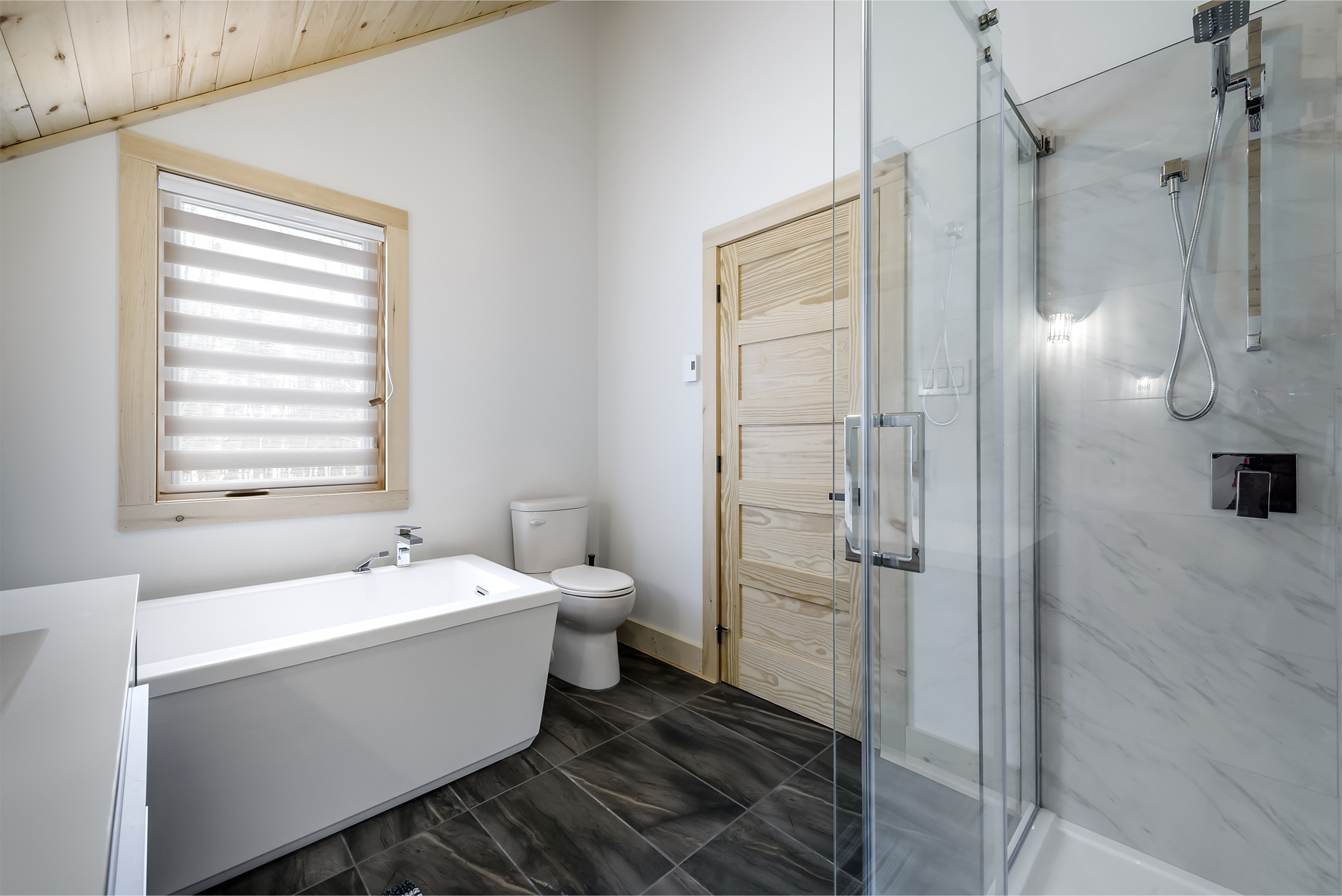
Bathrooms and lanais are two of the most moisture heavy spaces in any Florida home, which is exactly why tile and luxury vinyl plank dominate the conversation when homeowners start planning a renovation. Both materials are considered water resistant to fully waterproof depending on the product line, so the decision usually comes down to how the space is actually used rather than which material simply survives moisture.
A bathroom that gets daily foot traffic from a family of five has different needs than a guest bathroom used a few times a month. A lanai that stays covered and screened behaves differently than one exposed to open weather. Understanding those distinctions makes the tile versus LVP decision much clearer.
How Each Material Handles Standing Water
Porcelain tile is essentially impervious to water once properly sealed at the grout lines, which makes it the safer long term choice for showers, tub surrounds, and any lanai that catches direct rain. Grout does require occasional resealing to maintain that protection, and homeowners sometimes underestimate this maintenance step.
Waterproof LVP, built with an SPC or WPC core, resists standing water at the surface and through the seams when installed correctly, but it depends more heavily on a tight, professional installation to maintain that seal over time. In a lanai with open exposure to wind driven rain, tile still tends to outperform LVP over a ten year span.
Comfort and Feel Underfoot
LVP has a real advantage in comfort, especially in a primary bathroom where bare feet hit the floor first thing in the morning. The slightly cushioned core makes LVP noticeably warmer and softer than porcelain tile, which stays cool to the touch year round.
That same coolness that feels uncomfortable on a winter morning becomes an asset on a lanai, where tile helps a covered outdoor space feel less like an extension of the Florida heat. This is one of the more overlooked factors in the decision, since most homeowners focus on water resistance and skip past daily comfort.
Slip Resistance in Wet Areas
Textured porcelain tile with a higher slip resistance rating remains the standard recommendation for shower floors and lanai surfaces that get wet from rain or pool splash out. Smooth or polished tile finishes should generally be avoided in these zones regardless of how water resistant the material itself is.
LVP with an embossed or textured wear layer also performs reasonably well for slip resistance, and many Florida homeowners choose it for lanais specifically because it pairs grip with a warmer, more residential look than tile. The right choice often depends on whether the lanai functions more like an outdoor room or a wet-weather transition space.
Long Term Value in a Coastal Climate
Tile generally holds up longer in direct sun exposure without fading, which matters on an uncovered or partially covered lanai. LVP wear layers have improved significantly, but UV exposure over many years can still affect color consistency more than it does with porcelain.
For a fully enclosed, air conditioned bathroom, LVP and tile perform on a much more even playing field, and the decision comes down to budget, comfort preference, and design goals rather than durability concerns.
Whether you are renovating a bathroom or finishing out a lanai, Carpet & Tile Warehouse can help you compare real tile and LVP samples side by side before you commit. We proudly serve Vero Beach, Fort Pierce, Sebastian, Indian River, South Beach, Port St. Lucie with showroom locations at Vero Beach, FL (770 8th Ct). Contact us to schedule a visit, or explore our tile collection to see current options.


